Wind’s Record Year Powers Ahead

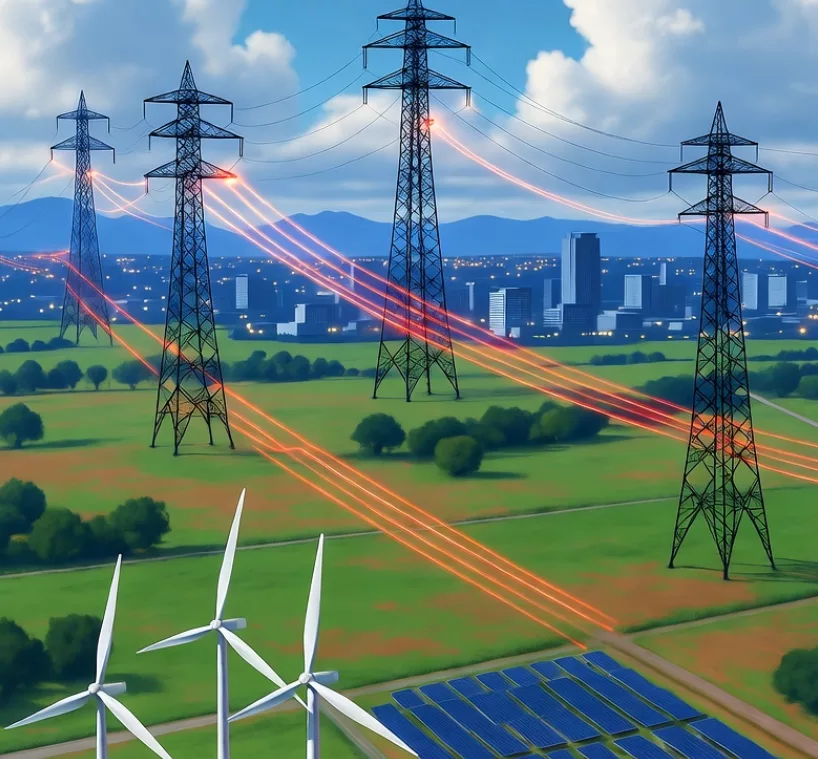
Wind turbines delivered a record 83 TWh of electricity in 2024, overtaking gas to become Britain’s largest single power source for the first time. The milestone underscores how quickly wind has moved from a niche technology to the backbone of the grid.

LinkedIn
Share
WhatsApp
Copy link
URL has been copied successfully!

Low‑carbon sources—renewables plus nuclear—supplied 58 % of national demand last year. Fossil gas fell to 26 %, imports provided 14 %, and coal slipped to just 0.6 % after Ratcliffe‑on‑Soar closed on 30 September. The National Energy System Operator says the figures mark the cleanest mix on record.

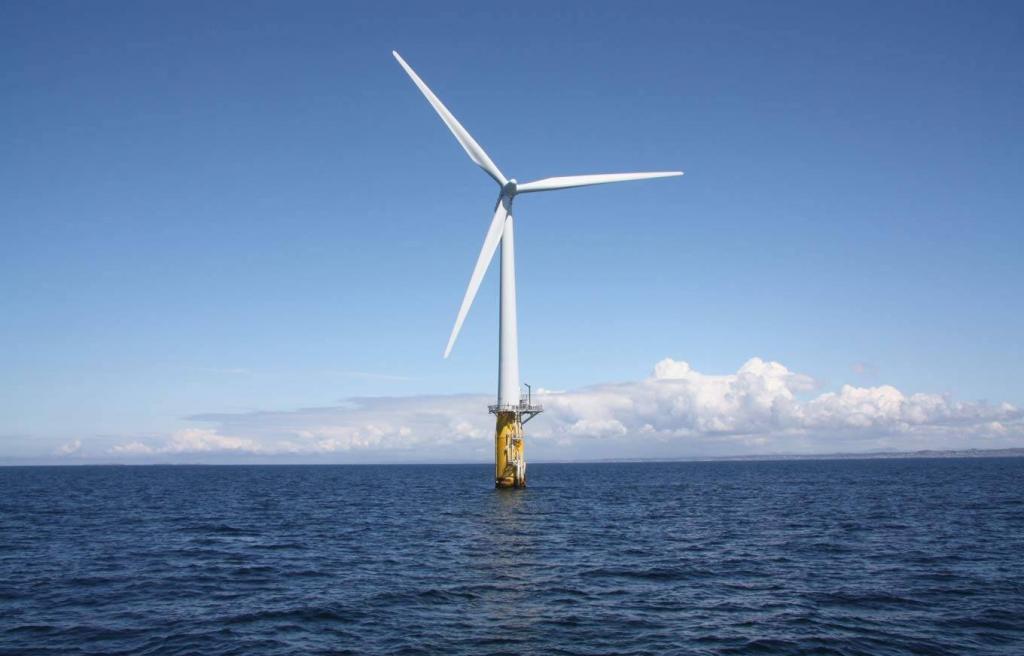
Are offshore wind turbines in Washington's future?

Ministers want unabated fossil fuels to contribute less than 5 % of electricity by 2030. NESO warns that hitting the target will be “challenging but achievable” if Britain backs up wind with large‑scale storage and flexibility rather than expanding gas peaker capacity.

The advances of battery Storage

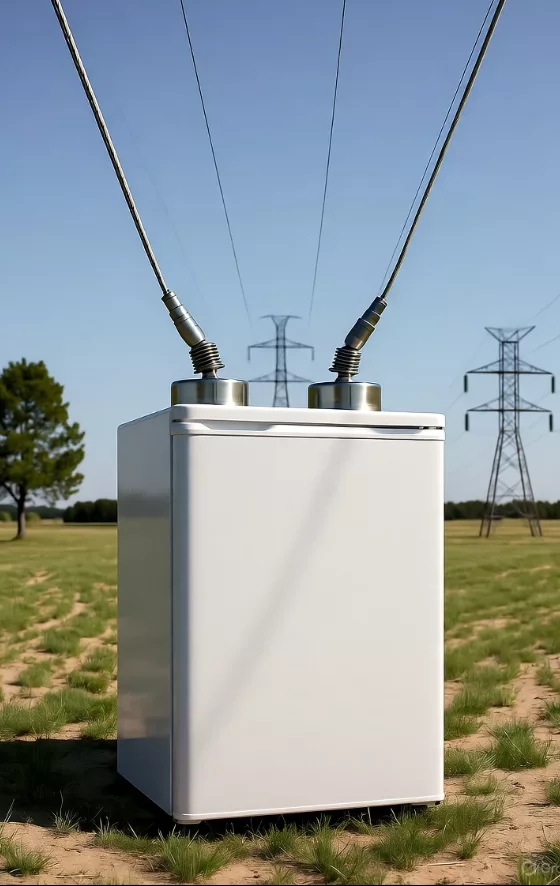
Storage is scaling fast. Harmony Energy’s 98 MW/196 MWh Pillswood battery in Yorkshire can power roughly 300,000 homes for two hours and already eases local network constraints. SSE Renewables and Fluence are building a 150 MW/300 MWh system on the site of a former coal plant, while Invinity Energy Systems is commercialising long‑duration vanadium flow batteries that avoid the cycle‑life limits of lithium cells. Analysts count more than 8 GW of battery projects with grid connections agreed or under construction.

Offshore momentum continues. Ørsted’s £10 billion Hornsea 3 array—2.9 GW capable of lighting 3.3 million homes—has entered full construction and keeps the UK on track for 50 GW of offshore wind by 2030, including 5 GW of floating capacity. February’s Clean Industry Bonus promises developers £27 million for every gigawatt they deliver, provided they invest in Britain’s supply chain. Coming reforms to the Contracts‑for‑Difference scheme will stretch contract terms from 15 to 20 years and streamline permitting ahead of Allocation Round 7 later this year.

Rising material costs and a queue of 350 GW waiting for transmission access still threaten timelines, while curtailment of surplus Scottish wind hit 8 TWh in 2024. Yet falling turbine prices, deeper storage markets and clearer policy signals are rebuilding investor confidence. Carbon intensity averaged 124 g CO₂ per kWh last year—down from 419 g in 2014—showing how quickly technology, capital and regulation can tilt the power sector toward net zero.

WindEnergy #RenewableEnergy #EnergyTransition #BatteryStorage #NetZero

2

Nov 25

Wind’s Record Year Powers Ahead

Wind turbines delivered a record 83 TWh of electricity in 2024, overtaking gas to become Britain’s largest single power source for…
Read More

1

Nov 25

EU Opens Consultation on Pan-European Demand Response Network Code

Europe’s wind and solar rollout is outpacing grid upgrades, so grid operators now pay factories and cold‑stores to treat electricity…
Read More

30

Oct 25

Have Renewables Really Overtaken Coal?

Renewables edged ahead of coal in global electricity generation during the first half of 2025, says Ember. Yet that headline…
Read More

28

Oct 25

EU Woos US States on Clean Energy

Brussels is quietly redrawing its climate map of America. Convinced that another Trump administration has no appetite for decarbonisation, the…
Read More

2

Jun 25

Are Hydrogen Trains The Future?

Deutsche Bahn wants diesel gone, yet 1,300 locomotives still burn it on branch lines. Now, via a new alliance with…
Read More
1 2 3 5

EU Opens Consultation on Pan-European Demand Response Network Code

Europe’s wind and solar rollout is outpacing grid upgrades, so grid operators now pay factories and cold‑stores to treat electricity like another raw material. A draft EU Network Code on Demand Response, submitted by ACER in March and scheduled for adoption later this year, will standardise measurement and settlement rules so any flexible kilowatt can trade across borders. Analysts expect the framework to unlock a market worth about $21 billion by 2027 as automation squeezes curtailment costs below batteries. Because it leverages assets that already exist, the rulebook could turn every chilled warehouse, desalination pump or EV charger into a tradable resource.

Octopus Agile Leads the Consumer Charge

Retail suppliers are proving the concept at smaller scales. Octopus Energy’s Agile tariff exposes more than 160 000 UK homes and businesses to half‑hourly wholesale prices; when wind output soars and rates plunge below zero, the company’s API nudges dishwashers, heat pumps and even small commercial chillers to soak up surplus electrons. The anonymised load‑shaping data flows back to system operators, sharpening day‑ahead forecasts and showing how granular price signals can cascade into grid‑level relief.

LinkedIn
Share
WhatsApp
Copy link
URL has been copied successfully!

Utility Companies Role as Aggregators

Utilities remain the largest aggregators. Enel X orchestrates over 9 GW of curtailable demand in eighteen countries and, in Britain’s March 2025 T‑1 capacity auction, captured 180 MW at £20 kW‑year—a rate that delivers payback to a refrigerated warehouse in under three years. Centrica Business Solutions controls around 2 GW after absorbing Belgium’s REstore, while ENGIE and E.ON bundle demand flexibility into multi‑year supply contracts that hedge clients against volatile wholesale markets.

The Intelligent Grid

Industrial‑automation giants are wiring those megawatts together. Siemens couples its Distributed Energy Resource Management System with EnergyHub’s forecasting to give second‑by‑second visibility of plant loads. Schneider Electric’s EcoStruxure, boosted by its 2022 AutoGrid acquisition, lets a single dashboard throttle heat pumps, EV chargers and grid‑scale batteries. ABB’s OPTIMAX® and Honeywell’s Forge perform similar tricks, proving that software fluent in both process constraints and market prices can unlock double‑digit savings. Siemens estimates that digital twins of large food‑processing plants reveal an extra 8 % of flexible load without retrofit hardware.

Specialist firms are attacking niche loads. Nuvve turns an electric‑bus depot into a 5 MW virtual power plant by discharging parked vehicles. Generac’s OmniMetrix enrols standby generators so factories can island themselves when prices spike. Itron, born in smart metering, automates thermostat tweaks and pump cycling at thousands of smaller sites, stacking kilowatt blocks into gigawatt response.

Battery energy storage systems (BESS) complement demand response, charging when renewable output is high and discharging during peak demand. Yet curtailing consumption still undercuts storage on cost wherever flexibility exists, avoiding new steel in the ground and turning electricity bills into revenue lines. With Europe targeting 70 % renewable electricity by 2030, the cheapest clean megawatt may be the one a factory agrees not to use for twenty minutes. Demand flexibility—once a footnote—is fast becoming the grid’s preferred shock absorber and a growth story that engineers and investors can both bank on.

#RenewableEnergy #SmartGrid #EnergyEfficiency #BatteryStorage #DemandFlexibility

2

Nov 25

Wind’s Record Year Powers Ahead

Wind turbines delivered a record 83 TWh of electricity in 2024, overtaking gas to become Britain’s largest single power source for…
Read More

1

Nov 25

EU Opens Consultation on Pan-European Demand Response Network Code

Europe’s wind and solar rollout is outpacing grid upgrades, so grid operators now pay factories and cold‑stores to treat electricity…
Read More

30

Oct 25

Have Renewables Really Overtaken Coal?

Renewables edged ahead of coal in global electricity generation during the first half of 2025, says Ember. Yet that headline…
Read More

28

Oct 25

EU Woos US States on Clean Energy

Brussels is quietly redrawing its climate map of America. Convinced that another Trump administration has no appetite for decarbonisation, the…
Read More

2

Jun 25

Are Hydrogen Trains The Future?

Deutsche Bahn wants diesel gone, yet 1,300 locomotives still burn it on branch lines. Now, via a new alliance with…
Read More
1 2 3 5

Have Renewables Really Overtaken Coal?

Renewables edged ahead of coal in global electricity generation during the first half of 2025, says Ember. Yet that headline hides a crucial distinction between how much hardware is installed and how much power actually reaches the socket.

Overheating electricity grid

The Generation/Transmission Miss-match

In terms of installed vs utilised generation across the world there is now 4.7 TW of renewable capacity versus 2.3 TW of coal. But utilisation tells another story. Coal fleets ran at an average 53 % capacity factor in 2024; wind delivered about 37 % and solar barely 20 %. In pure production terms, every gigawatt of solar added needs roughly two‑and‑a‑half siblings to equal a typical coal unit’s annual output. The gap between potential and delivered green electricity is widening as grids struggle to absorb the surging, variable supply.

LinkedIn
Share
WhatsApp
Copy link
URL has been copied successfully!

Curtailment – Flushing Energy Down the Drain

Grid constraints bite and those struggles show up as curtailment. National Grid ESO paid a record £1.9 billion last winter to turn off wind farms during bottlenecks, with constraint volumes up 15 % year‑on‑year. China’s solar curtailment rate climbed to 6.6 % in early‑2025, wiping out almost 11 TWh of zero‑carbon power. Similar bottlenecks are emerging from Texas to Tamil Nadu.

Battery Storage as a buffer

BESS to the rescue grid‑scale battery energy storage systems (BESS) are expanding fast: 49.4 GW/136.5 GWh came online worldwide in the first nine months of 2025, a 36 % jump on 2024. London‑listed funds Gresham House and Harmony Energy are commissioning multi‑hour lithium plants that turn Scotland’s excess night time wind into English peak‑time supply, while Fluence’s modular blocks have become the go‑to ‘spinning reserve’ in Texas and Queensland.

Hydrogen Generation – Soaking up Free Energy

Where storage is impractical, local electrolysers soak up surplus electrons turning electricity into hydrogen. Europe will have 17.5 GW of annual electrolyser manufacturing capacity by year‑end and more than 60 green‑hydrogen projects are already under construction. RWE’s 300‑MW plant at Lingen will feed 30,000 tonnes of hydrogen a year to TotalEnergies’ Leuna refinery under a 15‑year offtake. This reduces fossil gas demand and providing a flexible sink for wind‑rich hours.

More Dynamic Generation Requires Smarter Systems

Hardware alone will not close the utilisation gap. Siemens Energy is investing €1.3 billion in HVDC converter and STATCOM plants to speed up interconnections and voltage control, while its grid‑management software now orchestrates 100 GW of variable renewables in Germany and Chile with sub‑second fidelity. In Britain, National Grid’s Constraint Management Intertrip Service pays batteries and flexible loads to react instantly when transmission lines saturate.

Outlook Whether renewables can stay ahead of coal depends less on the next tranche of turbines and panels and more on how quickly grids adopt storage, hydrogen and sophisticated control. Judging by the growth curves of BESS and electrolysers—and the billions now flowing into modern grid tech—the momentum is finally shifting from raw installation to effective utilisation.

#RenewableEnergy #GridScaleStorage #HydrogenEnergy #SmartGrid #EnergyTransition

2

Nov 25

Wind’s Record Year Powers Ahead

Wind turbines delivered a record 83 TWh of electricity in 2024, overtaking gas to become Britain’s largest single power source for…
Read More

1

Nov 25

EU Opens Consultation on Pan-European Demand Response Network Code

Europe’s wind and solar rollout is outpacing grid upgrades, so grid operators now pay factories and cold‑stores to treat electricity…
Read More

30

Oct 25

Have Renewables Really Overtaken Coal?

Renewables edged ahead of coal in global electricity generation during the first half of 2025, says Ember. Yet that headline…
Read More

28

Oct 25

EU Woos US States on Clean Energy

Brussels is quietly redrawing its climate map of America. Convinced that another Trump administration has no appetite for decarbonisation, the…
Read More

2

Jun 25

Are Hydrogen Trains The Future?

Deutsche Bahn wants diesel gone, yet 1,300 locomotives still burn it on branch lines. Now, via a new alliance with…
Read More
1 2 3 5

EU Woos US States on Clean Energy


Brussels is quietly redrawing its climate map of America. Convinced that another Trump administration has no appetite for decarbonisation, the European Union now aims its diplomatic firepower at US governors, mayors and boardrooms, forging a state‑level alliance to keep the Paris goals alive.

AI generated photo of Trump in meeting
LinkedIn
Share
WhatsApp
Copy link
URL has been copied successfully!

The New Vision

A draft ‘Global Climate and Energy Vision’ paper, due on 16 October, instructs the Commission to “co‑operate with sub‑national entities, business and think‑tanks” across the Atlantic. The document also sketches an External Clean Transition Business Council and a Special Co‑ordinator charged with selling EU cleantech abroad.

For Brussels the calculus is blunt: the US remains the world’s second‑largest emitter, yet several progressive states—from California to New York—are pressing ahead with cap‑and‑invest schemes and zero‑carbon targets. Delegations from at least seven state legislatures have toured the Berlaymont since July.

Those talks centre on carbon pricing. With the EU’s Carbon Border Adjustment Mechanism entering its tariff phase on 1 January 2026, exporters of steel, cement and fertiliser risk fresh costs unless their states mirror EU emission caps. Brussels is offering technical blueprints and shared registry software—not subsidies.

The strategy dovetails with EU plans to channel development finance into flagship renewables in Africa, Latin America and the Indo‑Pacific, reducing dependence on Chinese hardware. Officials eye €50 billion of green investment over five years, largely directed through public‑private vehicles such as the European Investment Bank.

Investors Eager for the Opportunity

Investors are already positioning. Danish offshore‑wind giant Ørsted is scouting sites along the New Jersey coast, while UK‑listed Invinity is marketing vanadium‑flow batteries to Californian utilities eager for eight‑hour storage. Fluence Energy, meanwhile, reports a six‑gigawatt order backlog that increasingly straddles both continents.

Hydrogen specialists are watching too. Ceres Power’s solid‑oxide cells and ITM Power’s large‑scale electrolysers could find a receptive market if states step up green‑hydrogen mandates for heavy trucks and ports, an area where Washington has shelved its own incentives.

Yet Europe’s climate arc faces turbulence at home. Conservative MEPs warn that dense regulation is throttling industry, and a trimmed‑down CBAM now exempts small importers. Even so, with ETS prices hovering near €100 a tonne, the market signal is unmistakable — and may finally provoke overdue efficiency upgrades across Europe’s own heavy industry.

What matters now is whether state capitals can outpace Capitol Hill. If they do, Europe’s pivot could accelerate a North Atlantic cleantech corridor—linking Texas solar farms to Iberian electrolyser plants—and put a tangible price on carbon in the world’s most contested energy market.

#RenewableEnergy #ClimateAction #EnergyTransition #EUClimateDiplomacy #CleanTech

More News

2

Nov 25

Wind’s Record Year Powers Ahead

Wind turbines delivered a record 83 TWh of electricity in 2024, overtaking gas to become Britain’s largest single power source for…
Read More

1

Nov 25

EU Opens Consultation on Pan-European Demand Response Network Code

Europe’s wind and solar rollout is outpacing grid upgrades, so grid operators now pay factories and cold‑stores to treat electricity…
Read More

30

Oct 25

Have Renewables Really Overtaken Coal?

Renewables edged ahead of coal in global electricity generation during the first half of 2025, says Ember. Yet that headline…
Read More

28

Oct 25

EU Woos US States on Clean Energy

Brussels is quietly redrawing its climate map of America. Convinced that another Trump administration has no appetite for decarbonisation, the…
Read More

2

Jun 25

Are Hydrogen Trains The Future?

Deutsche Bahn wants diesel gone, yet 1,300 locomotives still burn it on branch lines. Now, via a new alliance with…
Read More
1 2 3 5

Are Hydrogen Trains The Future?

Deutsche Bahn wants diesel gone, yet 1,300 locomotives still burn it on branch lines. Now, via a new alliance with UK electrolyser firm ITM Power, the operator plans to swap that fuel for on‑site green hydrogen.

The multi‑year framework covers design, build and operation of hydrogen hubs at DB depots. Consequently, ITM will deploy modular 20 MW PEM stacks that drink surplus wind and solar power. By generating fuel where it is used, DB expects to avoid the trucking bottlenecks that derailed earlier pilots.

LinkedIn
Share
WhatsApp
Copy link
URL has been copied successfully!

Hydrogen Shortages Hamper Progress

Hydrogen traction is not brand‑new. Nevertheless, Alstom’s Coradia iLint units in Lower Saxony suffered fuel shortages and component glitches in 2024, forcing temporary returns to diesel. Therefore, DB is betting that deeper pockets and full‑scale infrastructure will fix reliability.

ITM Leads the Way in Modular Hydrogen Generation

ITM arrives with fresh momentum. Its Sheffield gigafactory has ramped to one gigawatt of annual stack capacity and could reach five by 2027. In May the company won a 300‑megawatt contract for an Asia‑Pacific power‑to‑hydrogen project, sparking an 18 percent jump in its share price. Analysts at BNEF now expect electrolyser costs to dip below €1,000 per kilowatt within two years, eroding diesel’s remaining economic edge.

Rail emits barely 0.4 percent of EU greenhouse gases, yet diesel loco exhaust remains the dominant source inside stations. Germany’s Federal Environment Agency calculates that each hydrogen‑converted regional train could avoid roughly 90 tonnes of CO₂ a year. When the gas is produced with offshore wind—think Ørsted’s North Sea farms—the lifecycle footprint approaches zero.

Policy Shifts Away From Diesel

Policy winds are also shifting. The EU’s Alternative Fuels Infrastructure Regulation, for instance, mandates clean refuelling options on every core rail corridor by 2030. As a result, DB and ITM hope to open their first 100‑tonne‑per‑day hub in Schleswig‑Holstein by 2027, serving a busy non‑electrified freight line into Hamburg.

The Hydrogen Payback

Environmental gains look material. According to Germany’s Federal Environment Agency, each converted regional train could cut roughly 90 tonnes of CO₂ per year. Meanwhile, pairing electrolysers with Ørsted’s North Sea wind farms drives the lifecycle footprint close to zero. Investors, therefore, have noticed: ITM shares jumped 18 percent in May after a 300 MW deal in Asia‑Pacific. Furthermore, analysts at BNEF forecast electrolyser prices falling below €1,000 kW by 2027, finally eroding diesel’s remaining cost edge.

For rail decarbonisation, momentum now rests on execution—but the blueprint is clear.

HydrogenEnergy #SustainableTransport #CleanEnergy #GreenRail #HydrogenTrains

More News

2

Nov 25

Wind’s Record Year Powers Ahead

Wind turbines delivered a record 83 TWh of electricity in 2024, overtaking gas to become Britain’s largest single power source for…
Read More

1

Nov 25

EU Opens Consultation on Pan-European Demand Response Network Code

Europe’s wind and solar rollout is outpacing grid upgrades, so grid operators now pay factories and cold‑stores to treat electricity…
Read More

30

Oct 25

Have Renewables Really Overtaken Coal?

Renewables edged ahead of coal in global electricity generation during the first half of 2025, says Ember. Yet that headline…
Read More

28

Oct 25

EU Woos US States on Clean Energy

Brussels is quietly redrawing its climate map of America. Convinced that another Trump administration has no appetite for decarbonisation, the…
Read More

2

Jun 25

Are Hydrogen Trains The Future?

Deutsche Bahn wants diesel gone, yet 1,300 locomotives still burn it on branch lines. Now, via a new alliance with…
Read More
1 2 3 5

Invinity Secures UK’s Largest Vanadium Flow Battery Project

Invinity Energy Systems is set to make UK energy history with the development of its flagship LODES project, a 20.7 MWh vanadium flow battery (VFB) system in South East England. The project will be the largest vanadium battery system ever deployed by the company and one of the UK’s first commercial sites to pair long-duration storage directly with on-site solar generation.

This development arrives at a critical time for the UK’s energy transition. As intermittent renewables like wind and solar grow, the need for grid-scale battery energy storage systems (BESS) has surged. Historically dominated by lithium-ion technology, BESS projects have played a key role in short-term grid balancing. However, lithium-ion systems face challenges in providing multi-hour to multi-day storage, are prone to thermal runaway risks, and often suffer reduced lifespans under heavy cycling.

Vanadium flow batteries, like Invinity’s VS3 technology, offer a compelling alternative. These systems provide long-duration storage, have no risk of fire, lower degradation over time, and are better suited to daily heavy cycling without loss of capacity. Their ability to store and release energy over extended periods is seen as essential to reducing renewable curtailment and cutting fossil fuel backup requirements.

Supporting this shift, companies such as Largo Inc, a major global producer of vanadium, play a crucial role by supplying the essential raw materials needed for these advanced battery systems. The growing demand for vanadium highlights its importance in securing resilient, sustainable storage capacity for renewable energy projects across the UK and beyond.

The LODES project is backed by up to £10 million from the Department for Energy Security and Net Zero (DESNZ) under the Longer Duration Energy Storage (LDES) Demonstration programme. Once operational, the battery will provide crucial grid-balancing services, storing excess solar power during the day for dispatch during evening peaks. This could significantly reduce dependence on gas-fired power stations and lower electricity costs for consumers.

Notably, Invinity has opted to own and operate the asset directly, allowing it to optimise operations, showcase the system’s full capabilities, and serve as a vital reference site for future commercial flow battery deployments. Manufacturing is already underway at Invinity’s facility in Motherwell, Scotland, with the project scheduled for commissioning in 2026.

#RenewableEnergy #EnergyStorage #GridScaleStorage #VanadiumFlowBattery #LDES

More News

2

Nov 25

Wind’s Record Year Powers Ahead

Wind turbines delivered a record 83 TWh of electricity in 2024, overtaking gas to become Britain’s largest single power source for…
Read More

1

Nov 25

EU Opens Consultation on Pan-European Demand Response Network Code

Europe’s wind and solar rollout is outpacing grid upgrades, so grid operators now pay factories and cold‑stores to treat electricity…
Read More

30

Oct 25

Have Renewables Really Overtaken Coal?

Renewables edged ahead of coal in global electricity generation during the first half of 2025, says Ember. Yet that headline…
Read More

28

Oct 25

EU Woos US States on Clean Energy

Brussels is quietly redrawing its climate map of America. Convinced that another Trump administration has no appetite for decarbonisation, the…
Read More

2

Jun 25

Are Hydrogen Trains The Future?

Deutsche Bahn wants diesel gone, yet 1,300 locomotives still burn it on branch lines. Now, via a new alliance with…
Read More
1 2 3 5

BYD’s 5-Minute EV Charging Blows Tesla Out of The Water

Chinese electric vehicle (EV) manufacturer BYD has unveiled a ground-breaking charging system capable of delivering up to 1,000 kilowatts (kW) of power, enabling EVs to gain approximately 400 kilometres (249 miles) of range in just five minutes. This advancement positions EV charging times on par with traditional petrol refuelling, potentially transforming consumer perceptions and accelerating the shift towards sustainable transportation.

The new charging technology, integrated into BYD’s “Super e-Platform,” utilizes advanced components such as silicon carbide power chips and high-capacity Blade lithium-ion phosphate batteries. This innovation addresses a significant barrier to EV adoption: charging speed and convenience. By reducing charging times to mere minutes, BYD aims to alleviate “charging anxiety,” encouraging more drivers to transition from internal combustion engine vehicles to electric alternatives.

To support this rapid charging capability, BYD plans to install over 4,000 ultra-fast charging stations across China. This extensive infrastructure development is crucial for the widespread adoption of such high-speed charging technology, ensuring that drivers have convenient access to rapid charging options.

This latest breakthrough places BYD ahead of major competitors like Tesla, whose fastest Superchargers currently offer a peak charging rate of 250 kW, adding approximately 320 kilometres (200 miles) of range in 15 minutes. BYD’s new system more than quadruples this power output, delivering nearly double the range in just a third of the time. If widely adopted, this could challenge Tesla’s dominance in the EV market and force the American automaker to accelerate its own advancements in ultra-fast charging technology.

A Blow to Internal Combustion and Fossil Fuel Dependency

This technological leap could mark the beginning of the end for internal combustion engine (ICE) vehicles. One of the key advantages of petrol and diesel cars has been the quick refueling time compared to the extended charging periods required by EVs. BYD’s ultra-fast charging nullifies this advantage, making EVs a far more viable option for long-distance travel and everyday use. As charging infrastructure expands, the global reliance on fossil fuels for personal transport is set to decline, accelerating the phase-out of traditional gasoline-powered vehicles.

The rapid advancements in EV technology, exemplified by BYD’s new charging system, also starkly contrast with policies advocating for increased fossil fuel extraction, such as former U.S. President Donald Trump’s “Drill, Baby, Drill” agenda. While such policies promote oil and gas production for energy security and economic growth, the electrification of transportation directly undermines their long-term viability. As EVs become more practical and widespread, demand for oil is expected to plateau or decline, challenging the rationale for aggressive fossil fuel expansion policies.

Environmental and Economic Impact

The environmental implications of this advancement are substantial. Faster charging reduces downtime, making EVs more practical for long-distance travel and daily use, thereby promoting a decrease in reliance on fossil fuels. As more consumers opt for EVs equipped with rapid-charging capabilities, there could be a significant reduction in greenhouse gas emissions from the transportation sector, contributing to global climate action efforts.

Economically, countries and industries heavily invested in fossil fuels may face increasing challenges as oil demand wanes. This shift necessitates a strategic pivot towards renewable energy sources and infrastructure, ensuring a smoother transition for workers and businesses currently dependent on the fossil fuel economy.

BYD’s initiative also underscores China’s leadership in the renewable energy sector, showcasing the nation’s commitment to innovative solutions that support a sustainable future. As other manufacturers strive to match these advancements, the global automotive industry may experience a competitive push towards more efficient and environmentally friendly technologies.

In summary, BYD’s introduction of a 5-minute charging system represents a pivotal moment in the evolution of electric mobility, with the potential to reshape consumer habits, reduce environmental impact, and accelerate the global transition to sustainable transportation.

#SustainableTransport #EVRevolution #CleanEnergy #GreenTech #ClimateAction

More News

2

Nov 25

Wind’s Record Year Powers Ahead

Wind turbines delivered a record 83 TWh of electricity in 2024, overtaking gas to become Britain’s largest single power source for…
Read More

1

Nov 25

EU Opens Consultation on Pan-European Demand Response Network Code

Europe’s wind and solar rollout is outpacing grid upgrades, so grid operators now pay factories and cold‑stores to treat electricity…
Read More

30

Oct 25

Have Renewables Really Overtaken Coal?

Renewables edged ahead of coal in global electricity generation during the first half of 2025, says Ember. Yet that headline…
Read More

28

Oct 25

EU Woos US States on Clean Energy

Brussels is quietly redrawing its climate map of America. Convinced that another Trump administration has no appetite for decarbonisation, the…
Read More

2

Jun 25

Are Hydrogen Trains The Future?

Deutsche Bahn wants diesel gone, yet 1,300 locomotives still burn it on branch lines. Now, via a new alliance with…
Read More
1 2 3 5

Battery Storage Gains Ground in UK’s T-4 Capacity Market Auction

The latest T-4 Capacity Market Auction has awarded long-term contracts to a range of battery energy storage systems (BESS), reinforcing the critical role of storage in supporting the UK’s electricity grid. Over 1.8 GW of de-rated BESS capacity secured agreements, nearly doubling last year’s allocation of approximately 1 GW. This growth reflects the increasing importance of energy storage in balancing renewable generation and maintaining supply security.

Among the projects awarded contracts, major developments include Fidra Energy’s 1.4 GW Thorpe Marsh and 500 MW West Burton C, alongside several other grid-scale battery storage initiatives. Additionally, longer-duration storage is gaining traction, with 404 MW of 4-hour, 189 MW of 5-hour, 31 MW of 6-hour, and nearly 240 MW of 8-hour projects securing contracts. This shift highlights the need for more sustained energy storage solutions to support grid reliability.

The Capacity Market provides financial incentives for energy projects that contribute to grid stability. This year’s auction, clearing at £60/kW/year, marks a slight decrease from last year’s £65/kW/year but demonstrates continued investment in energy storage as part of the UK’s transition to low-carbon electricity generation. Meanwhile, gas-fired generation saw a marginal decline, with 27.3 GW awarded compared to 28.7 GW in the previous auction, further indicating the shift towards renewable and storage technologies.

Battery storage sites, including those within sustainable energy parks, will play a key role in securing future energy supply. The final confirmation of the auction results is expected from the Secretary of State for Energy Security and Net Zero by 24th March.

#BatteryStorage #EnergyTransition #GridStability #RenewableEnergy #SustainableFuture

More News

2

Nov 25

Wind’s Record Year Powers Ahead

Wind turbines delivered a record 83 TWh of electricity in 2024, overtaking gas to become Britain’s largest single power source for…
Read More

1

Nov 25

EU Opens Consultation on Pan-European Demand Response Network Code

Europe’s wind and solar rollout is outpacing grid upgrades, so grid operators now pay factories and cold‑stores to treat electricity…
Read More

30

Oct 25

Have Renewables Really Overtaken Coal?

Renewables edged ahead of coal in global electricity generation during the first half of 2025, says Ember. Yet that headline…
Read More

28

Oct 25

EU Woos US States on Clean Energy

Brussels is quietly redrawing its climate map of America. Convinced that another Trump administration has no appetite for decarbonisation, the…
Read More

2

Jun 25

Are Hydrogen Trains The Future?

Deutsche Bahn wants diesel gone, yet 1,300 locomotives still burn it on branch lines. Now, via a new alliance with…
Read More
1 2 3 5

Heat Pump Installations Surge in the UK

The United Kingdom has witnessed a significant rise in the adoption of heat pumps, with installations reaching record levels in 2024. Data from the Heat Pump Association (HPA) indicates a 63% increase in hydronic heat pump sales, totalling 98,469 units sold during the year.

This surge is largely attributed to the government’s Boiler Upgrade Scheme (BUS), which increased grants from £5,000 to £7,500 in October 2023 to encourage the transition from traditional gas boilers to low-carbon heating solutions. The scheme’s budget was further bolstered to £295 million for the 2025/2026 financial year, reflecting a strong commitment to sustainable energy initiatives.

Several manufacturers have emerged as leaders in the UK’s heat pump market, offering a range of efficient and reliable models:

  • Worcester Bosch: A renowned UK-based manufacturer, Worcester Bosch offers air-to-water heat pumps known for their efficiency and reliability.
  • Vaillant: This German company, with a significant presence in the UK, produces the aroTHERM Plus heat pump, celebrated for its high efficiency and quiet operation.
  • Mitsubishi Electric: Known for their advanced Ecodan range, these heat pumps are praised for performance and integration with smart home systems.
  • Daikin: The Altherma series by Daikin is recognized for its adaptability to various UK home heating requirements.
  • LG: The Therma V R32 Monobloc heat pump by LG is noted for its compact design and energy efficiency.

Despite these advancements, the UK is still striving to meet its target of 600,000 heat pump installations annually by 2028. Challenges such as high electricity costs and the need for a skilled workforce persist. To address these issues, the government has launched campaigns to raise public awareness and is investing in training programs to equip professionals with the necessary skills for heat pump installation and maintenance.

Investment in energy storage is also playing a crucial role in supporting the heat pump transition. Companies such as Gresham House Energy Storage Fund (GRID:LSE) and Harmony Energy Income Trust (HEIT:LSE) are backing large-scale battery projects that enhance grid stability, ensuring reliable electricity supply for heat pump users. Additionally, Invinity Energy Systems (IES:LSE) and ITM Power (ITM:LSE) are advancing energy storage and hydrogen solutions, which could complement heat pump adoption by integrating more renewable energy sources into the grid.

The increased adoption of heat pumps is a pivotal component of the UK’s strategy to reduce carbon emissions, particularly from residential heating, which accounts for a substantial portion of the nation’s greenhouse gas emissions. As the electricity grid continues to incorporate more renewable energy sources, heat pumps offer a pathway to significantly lower household carbon footprints.

The momentum gained in 2024 signifies a positive shift towards sustainable heating solutions. Continued support and investment from both the government and industry stakeholders are essential to maintain this trajectory and achieve the UK’s ambitious net-zero goals.

#SustainableEnergy #HeatPumps #BoilerUpgradeScheme #NetZero #GreenHeating

More News

2

Nov 25

Wind’s Record Year Powers Ahead

Wind turbines delivered a record 83 TWh of electricity in 2024, overtaking gas to become Britain’s largest single power source for…
Read More

1

Nov 25

EU Opens Consultation on Pan-European Demand Response Network Code

Europe’s wind and solar rollout is outpacing grid upgrades, so grid operators now pay factories and cold‑stores to treat electricity…
Read More

30

Oct 25

Have Renewables Really Overtaken Coal?

Renewables edged ahead of coal in global electricity generation during the first half of 2025, says Ember. Yet that headline…
Read More

28

Oct 25

EU Woos US States on Clean Energy

Brussels is quietly redrawing its climate map of America. Convinced that another Trump administration has no appetite for decarbonisation, the…
Read More

2

Jun 25

Are Hydrogen Trains The Future?

Deutsche Bahn wants diesel gone, yet 1,300 locomotives still burn it on branch lines. Now, via a new alliance with…
Read More
1 2 3 5

10% of UK Renewable Energy Wasted Due to Grid Constraints

A growing share of the UK’s wind and solar energy is being wasted due to grid limitations, underscoring the need for better energy storage and transmission. Aurora Energy Research estimates nearly 10% of Britain’s planned wind power output was curtailed in 2023, with Northern Ireland seeing even higher rates at 30%.

The issue arises from a mismatch between the rapid expansion of renewables and slower grid infrastructure upgrades. Surplus energy is often wasted due to insufficient storage capacity or transmission bottlenecks, contributing to volatile electricity prices. In 2024, Europe saw a record 4,838 hours of negative electricity prices, while Great Britain recorded 176 hours.

Scotland, home to most of Britain’s onshore wind farms, is particularly affected, as limited transmission capacity prevents efficient energy distribution. Grid operators frequently pay generators to shut down while increasing output from gas-fired plants elsewhere to balance the system.

Battery Energy Storage Systems (BESS) provide a key solution, storing excess electricity and releasing it when needed. Companies such as Fluence Energy Inc (FLNC:NSQ), Gresham House Energy Storage Fund PLC, and Harmony Energy Income Trust PLC are investing in large-scale battery projects to improve grid stability and reduce curtailment.

Harmony Energy Income Trust PLC recently reported a 57% revenue growth, reflecting the growing role of battery storage in balancing supply and demand. Its portfolio, including the Pillswood and Bumpers facilities, now totals 790.8 MWh/395.4 MW. Long-duration BESS assets like these are essential for ensuring grid reliability and minimising renewable energy waste.

Vanadium Flow Batteries (VFBs), championed by Invinity Energy Systems PLC, offer a high-capacity, long-life alternative to lithium-ion storage. Siemens Energy AG is advancing energy storage technology, while ITM Power PLC is pioneering green hydrogen electrolysis as another solution for storing excess renewable electricity.

The UK’s National Energy System Operator (NESO) plays a vital role in managing grid stability. Recent updates to the Open Balancing Platform allow more flexibility for energy providers to bid into the balancing market, improving real-time energy management and reducing waste. These measures, alongside expanded storage capacity, will help mitigate curtailment and enhance renewable energy utilisation.

NESO estimates curtailment and balancing actions added around £4 per month to consumer electricity bills in 2023-24, with costs expected to rise. Globally, curtailment is an increasing issue, with China losing 58.7TWh of wind and solar energy in 2024—enough to power 24 million households.

To address these challenges, the UK must prioritise grid expansion, accelerate BESS deployment, and implement smarter energy management systems to maximise renewable energy efficiency.

#RenewableEnergy #GridCapacity #BESS #VanadiumFlowBatteries #EnergyStorage #NetZero #GridStability

More News

2

Nov 25

Wind’s Record Year Powers Ahead

Wind turbines delivered a record 83 TWh of electricity in 2024, overtaking gas to become Britain’s largest single power source for…
Read More

1

Nov 25

EU Opens Consultation on Pan-European Demand Response Network Code

Europe’s wind and solar rollout is outpacing grid upgrades, so grid operators now pay factories and cold‑stores to treat electricity…
Read More

30

Oct 25

Have Renewables Really Overtaken Coal?

Renewables edged ahead of coal in global electricity generation during the first half of 2025, says Ember. Yet that headline…
Read More

28

Oct 25

EU Woos US States on Clean Energy

Brussels is quietly redrawing its climate map of America. Convinced that another Trump administration has no appetite for decarbonisation, the…
Read More

2

Jun 25

Are Hydrogen Trains The Future?

Deutsche Bahn wants diesel gone, yet 1,300 locomotives still burn it on branch lines. Now, via a new alliance with…
Read More
1 2 3 5