
Hydrogen-Fueled CCGT: A Grid Stability and Storage Game-Changer
Solving Grid Challenges with Hydrogen
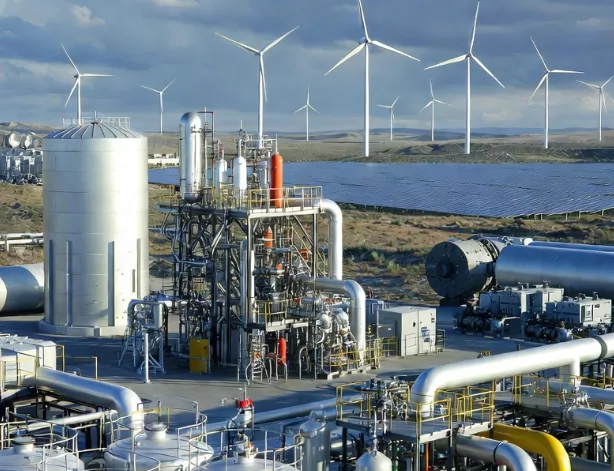
Integrating high levels of wind and solar into national grids exposes three key challenges. These include long-duration energy storage, bottlenecks in power transmission, and the decline of synchronous generation that stabilises frequency and supports inertia. Hydrogen-fired combined-cycle gas turbines (CCGTs) provide a promising solution to all three issues.











Using Surplus Power for Hydrogen
At times of excess supply, renewable electricity can power electrolysers to produce green hydrogen. This process turns surplus electricity into a flexible energy carrier. Operators can then transport and use this hydrogen where and when needed, avoiding wasteful curtailment.
UK-based ITM Power PLC (ITM:LSE) leads in this area. The company builds modular PEM electrolysers for fast-response hydrogen production from renewable sources. Their systems already help balance grids and fuel hydrogen applications across Europe.
Hydrogen as Long-Term Storage
Hydrogen stores energy far longer than batteries. Pressurised tanks, salt caverns, and depleted gas fields can all hold hydrogen for months. These storage methods are cost-effective and ideal for managing seasonal swings in renewable output.
Hydrogen for Stable Power Generation
Hydrogen-ready CCGTs help maintain grid reliability. Grids still rely on thermal plants for inertia, frequency control, and quick ramping. Hydrogen replaces fossil gas in these turbines, decarbonising power while retaining dispatchable generation.
Turbine makers are adapting systems to burn hydrogen blends and are testing 100% hydrogen capability with low emissions. These upgrades mean utilities can continue using gas turbines in a cleaner way.
Reusing Existing Infrastructure
Many current CCGT systems already support flexible operation. Engineers can modify combustion and fuel systems to make turbines hydrogen-compatible. This approach avoids the cost and delay of building new infrastructure from scratch.
The existing gas network also offers an opportunity. High-pressure pipelines and above-ground gas towers could carry and store hydrogen with upgrades. Sites like Aldbrough in Yorkshire are preparing salt caverns to store hydrogen.
ITM Power’s decentralised electrolysers allow local hydrogen production. This supports regional energy balance and reduces reliance on new hydrogen pipelines.
Hydrogen-Fired CCGT: A Strategic Fit
Hydrogen-fired CCGTs convert renewable power into stored energy, ready for dispatch. They enhance grid stability, solve long-duration storage issues, and use existing infrastructure. With strong policy support and investment, these systems could become central to clean and reliable energy networks.
#HydrogenEnergy #GridStability #EnergyStorage #HydrogenEconomy #GreenHydrogen
30
Oct 25
Have Renewables Really Overtaken Coal?
28
Oct 25
EU Woos US States on Clean Energy
2
Jun 25
Are Hydrogen Trains The Future?
1
Apr 25
Invinity Secures UK’s Largest Vanadium Flow Battery Project
18
Mar 25


