
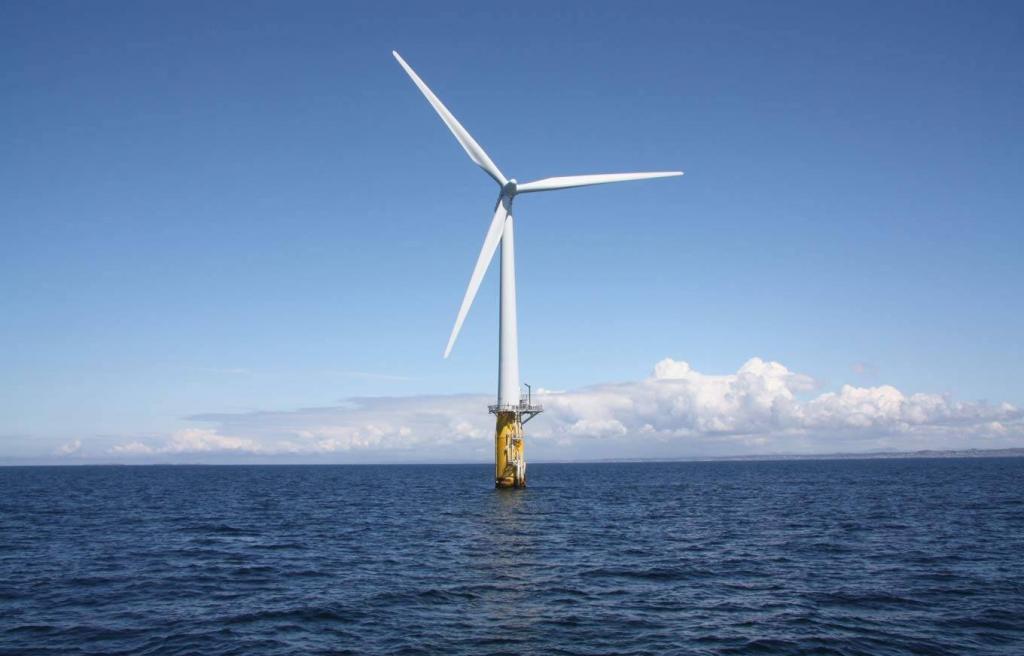
Wind turbines delivered a record 83 TWh of electricity in 2024, overtaking gas to become Britain’s largest single power source for the first time. The milestone underscores how quickly wind has moved from a niche technology to the backbone of the grid.











Low‑carbon sources—renewables plus nuclear—supplied 58 % of national demand last year. Fossil gas fell to 26 %, imports provided 14 %, and coal slipped to just 0.6 % after Ratcliffe‑on‑Soar closed on 30 September. The National Energy System Operator says the figures mark the cleanest mix on record.
Ministers want unabated fossil fuels to contribute less than 5 % of electricity by 2030. NESO warns that hitting the target will be “challenging but achievable” if Britain backs up wind with large‑scale storage and flexibility rather than expanding gas peaker capacity.
The advances of battery Storage
Storage is scaling fast. Harmony Energy’s 98 MW/196 MWh Pillswood battery in Yorkshire can power roughly 300,000 homes for two hours and already eases local network constraints. SSE Renewables and Fluence are building a 150 MW/300 MWh system on the site of a former coal plant, while Invinity Energy Systems is commercialising long‑duration vanadium flow batteries that avoid the cycle‑life limits of lithium cells. Analysts count more than 8 GW of battery projects with grid connections agreed or under construction.
Offshore momentum continues. Ørsted’s £10 billion Hornsea 3 array—2.9 GW capable of lighting 3.3 million homes—has entered full construction and keeps the UK on track for 50 GW of offshore wind by 2030, including 5 GW of floating capacity. February’s Clean Industry Bonus promises developers £27 million for every gigawatt they deliver, provided they invest in Britain’s supply chain. Coming reforms to the Contracts‑for‑Difference scheme will stretch contract terms from 15 to 20 years and streamline permitting ahead of Allocation Round 7 later this year.
Rising material costs and a queue of 350 GW waiting for transmission access still threaten timelines, while curtailment of surplus Scottish wind hit 8 TWh in 2024. Yet falling turbine prices, deeper storage markets and clearer policy signals are rebuilding investor confidence. Carbon intensity averaged 124 g CO₂ per kWh last year—down from 419 g in 2014—showing how quickly technology, capital and regulation can tilt the power sector toward net zero.
WindEnergy #RenewableEnergy #EnergyTransition #BatteryStorage #NetZero
24
Feb 25
BMW Halts £600m EV Investment in Oxford
18
Feb 25
Invinity & Frontier Power: 2 GWh Vanadium Flow Storage
17
Feb 25
Record Low Polar Ice Levels Raise Alarm
15
Feb 25
Mercedes-Benz Pioneers EV Battery Recycling in Europe
15
Feb 25


